Can't Find Someone on Snapchat? Try These 3 Methods
Can't find someone on Snapchat? Try their username, phone number, or Snapcode, then check the profile is really them.
Dating
Claire Kellerman
Aug 17, 2026 • 5 min read


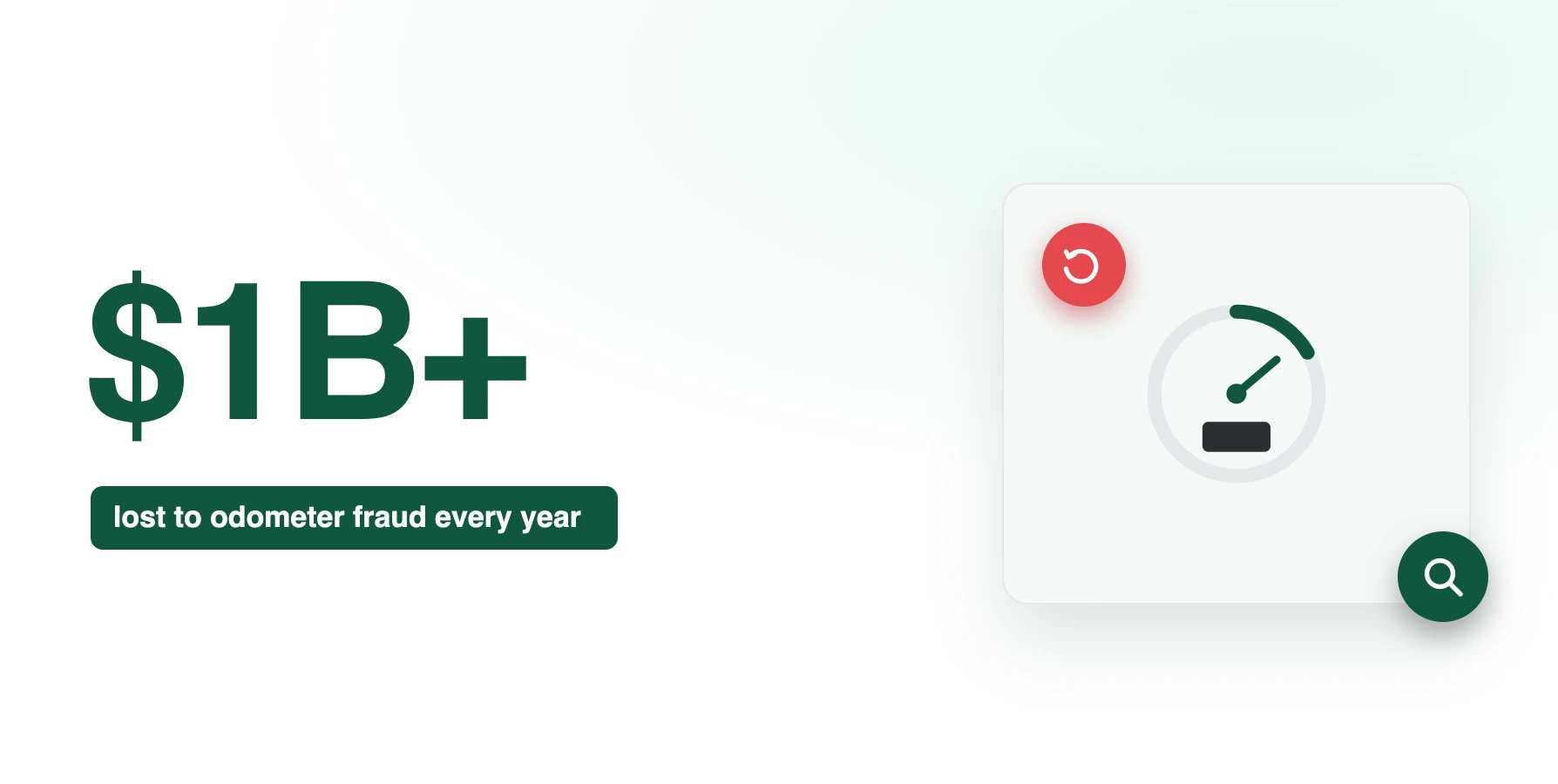
Every year, more than 450,000 used vehicles are sold in the U.S. with rolled-back odometers, a fraud that costs American buyers over $1 billion annually. That's before you factor in undisclosed title branding, deferred repairs, or a seller who just doesn't answer directly. Asking the right questions before you hand over a deposit is the cheapest insurance you'll ever buy on a used car.
Use the checklist below to cover the categories that matter and the questions you should ask regarding them, then read on for what to do with the answers you get.
| Category | What you should ask | Why it matters |
|---|---|---|
| Seller & ownership | How many owners has the car had? Why are you selling? Do you have the title in hand? | Reveals red flags before you invest time in a test drive |
| Title & history | Has it ever had a salvage, rebuilt, or flood title? What does the VIN report show? | Title branding can cut resale value by 20–40% |
| Mechanical condition | When were the brakes, tires, and fluids last serviced? Any warning lights or recent repairs? | Maintenance gaps predict future repair costs |
| Price & paperwork | Is the price negotiable? Is there a warranty or "as is" sale? Can I get everything in writing? | Protects you if a dispute comes up after the sale |
Start with the seller, not the car. Ask how long they've owned the vehicle, how many previous owners it's had, and why they're selling it now. Think carefully about the answers. You’re looking for specifics, not vagaries.
If you're buying from a private seller rather than a dealership, it's also worth doing some basic verification before you meet in person, especially if the listing showed up on a marketplace app rather than a dealer lot. A quick background check can confirm that the person you're meeting matches who they say they are, using the same publicly available records used for other buyer/seller safety checks.
Ask to see the title itself (not just a photo) and confirm the name on the title matches the seller's ID, and ask directly whether there's a lien still attached to the vehicle.
Buyers tend skip this category most often, but it’s the one with the biggest financial downside. Ask whether the car has ever carried a salvage, rebuilt, flood, or lemon-law buyback title. If the seller says no, verify it yourself: with the National Motor Vehicle Title Information System (NMVTIS), the federal database that tracks title brands, insurance total-loss claims, and salvage history across all 50 states.
You should also run the VIN through a vehicle history lookup before you commit to anything. A VIN check pulls title status, reported accidents, and prior ownership transfers from public and participating databases, which is the fastest way to catch a "washed" title, where a salvage brand was hidden by re-registering the car in a different state. If you're unclear on what a rebuilt or salvage title actually means for insurance and financing, our breakdown covers the practical differences.
Ask when the brakes, tires, battery, and fluids were last serviced, and ask to see maintenance records. A seller with receipts is a good sign; a seller with no records at all isn't necessarily lying, but it means you'll need an independent inspection to fill the gap.
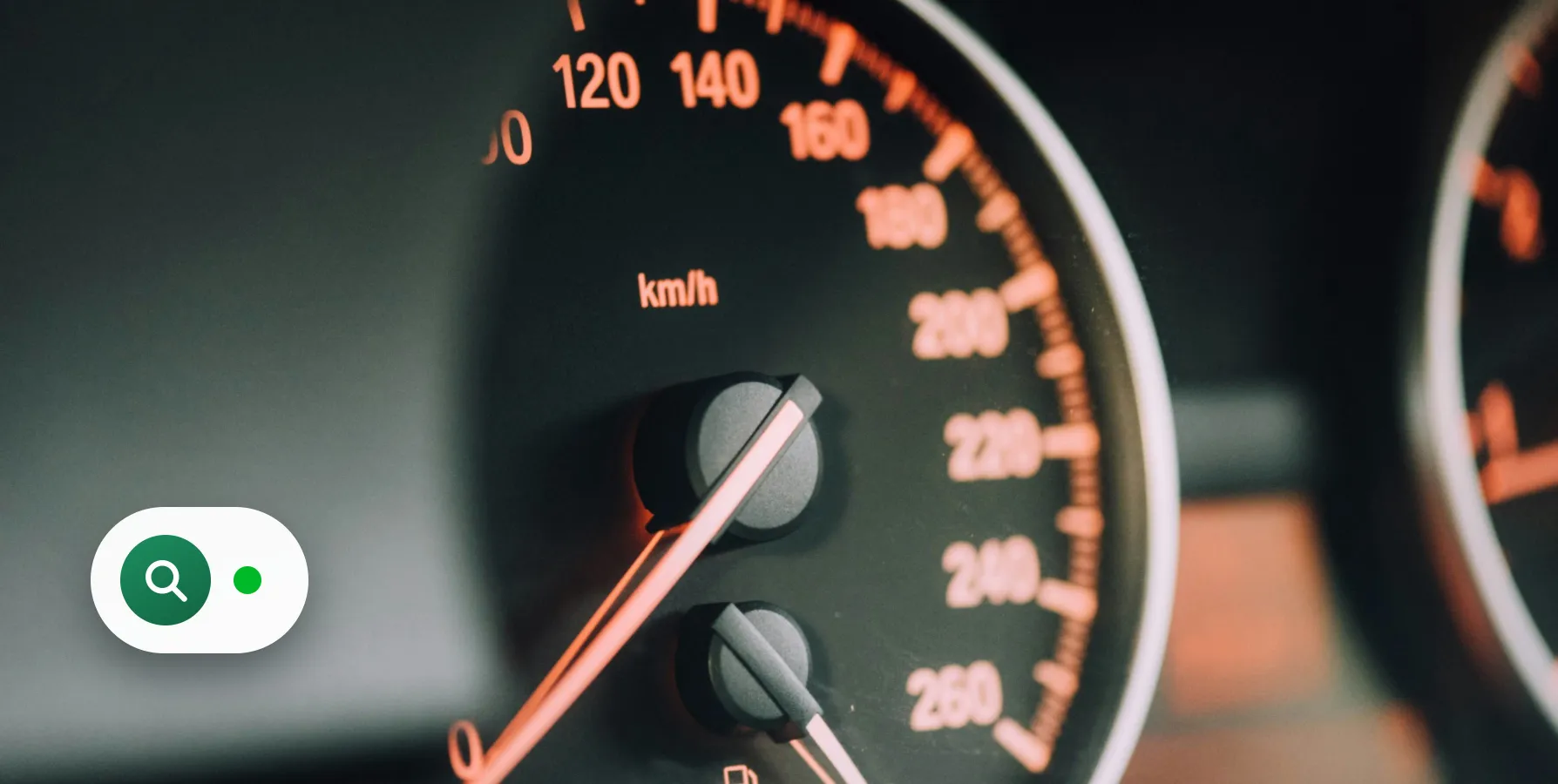
Ask directly about the odometer reading and whether it matches the maintenance records and inspection stickers. Odometer fraud remains common enough that NHTSA runs a dedicated investigation unit for it, and a mismatch between the odometer and service history is one of the clearest warning signs.
Always ask if you can have your own mechanic inspect the car, on or off the seller's lot. A seller who refuses a pre-purchase inspection is a huge red flag.
During the test drive, ask about specific noises, pulls to one side while braking, or dashboard warning lights, then pay attention to whether the seller's answers match what you actually feel and hear. Ask whether the car has ever been in an accident, even a minor one, and whether any bodywork or paint touch-ups have been done. Fresh paint on just one panel, or a slightly different shade under the hood, is worth asking about directly rather than assuming it's cosmetic.
Ask whether the price is firm or negotiable, and ask for the out-the-door price in writing before you agree to anything verbally. If you're buying from a dealer, the FTC's Used Car Rule requires a window sticker called a Buyers Guide, which has been in place since 1985, that discloses whether the car is sold "as is" or with a warranty, and what percentage of repair costs the dealer will cover.
Ask what warranty, if any, applies, and get the terms in writing rather than relying on a spoken promise. Ask what documents you'll need at the DMV to complete the title transfer in your state.
If you're financing, ask the seller or dealer directly whether the vehicle qualifies for standard financing terms. A branded title or an unusually old vehicle can affect loan-to-value ratios and interest rates. Ask how the sales tax and any registration fees are handled, since some private-party deals leave that entirely to the buyer.
The core questions stay the same, but a few things shift depending on who you're buying from. Dealers are legally required to provide a Buyers Guide and to disclose warranty terms in writing; private sellers aren't, so get every promise documented yourself.
Private-seller deals typically move faster and have more room to negotiate, but you lose the dealer's implied warranties and any recourse beyond the seller's word. Either way, the title and mechanical questions above don't change, so you should verify them yourself rather than taking anyone's assurance at face value.
Dealers usually handle the paperwork and title transfer for you, while private-party sales put that responsibility entirely on the buyer and seller. Ask early who's filing what, and confirm your state's specific requirements for transferring a title between individuals before you meet to close the deal.
Before you sign anything, run the VIN through ClarityCheck's VIN number lookup to confirm the title status, and independently verify the seller if you're meeting a stranger from an online listing. A few minutes of checking now is considerably cheaper than finding out about a salvage title, a rolled-back odometer, or a lien after the money has changed hands.
Can't find someone on Snapchat? Try their username, phone number, or Snapcode, then check the profile is really them.
WhatsApp has no name search. Here's how finding someone on the app works, plus how to verify a stranger's number before you meet or send money.
Learn how to find someone on dating sites by email using free methods, what they can't tell you, and how a reverse email lookup fills the gaps.