How to Identify a Fake Text Message (and Trace the Number)
Here's how to identify a fake text message in seconds, plus how to potentially find out who is behind the number.
Scam Alert
Claire Kellerman
Sep 8, 2026 • 7 min read
Someone claiming to be a sheriff's deputy just called and told you there's a warrant out for your arrest over a missed jury summons. They said you could resolve the matter right now, over the phone, with a payment.
If this happens to you, hang up, and don't call the number back. Real law enforcement does not resolve warrants over the phone. Warrant scam calls are extremely common, and understanding why and how they work is the fastest way to make sure it doesn't happen to you or your loved ones.
No. Courts and police departments notify people about warrants through the mail, a scheduled court appearance, or by showing up at your place of residence. They do not call to inform you of a warrant and offer to settle it on the spot with something like a gift card, wire transfer, or payment app. A call that combines both elements – a warrant notice and an immediate way to pay it off – is close to definitive proof of fraud.
The impersonation. The caller identifies as a sheriff's deputy, a county clerk, or a federal agent. Some use spoofed caller ID so a real department's number appears on-screen.
The accusation. You missed jury duty, failed to appear in court, or your identity is linked to something serious enough to frighten you. Drug trafficking is a common choice because it sounds too big to ignore.
The isolation. You're told not to discuss this with anyone. No legitimate law enforcement process depends on your silence.
The payment. The warrant can be cleared by wiring money, buying gift cards, or depositing cash at a crypto kiosk. Real courts accept payments through their own clerk's office, not through a caller's instructions.
The FBI has documented cases built on exactly this structure, including one where a scammer posing as a federal agent told a victim her identity had been linked to a drug cartel and instructed her to move her savings into a "federal holding account" for safekeeping. She liquidated retirement accounts and home equity before anyone caught it.
This is the same scam wearing a different hat. The jury duty version skips the crime framing and goes straight for a more plausible-sounding accusation that you no-showed for a summons, and now there's a bench warrant. It works because missing jury duty feels like an honest, forgettable mistake, which makes people less suspicious than they'd be about a cartel accusation. The tell is identical either way: courts don't call to collect payment for a missed summons. Our guide on Medicare fraud calls shows the same isolation-and-urgency script at work in a completely different setting, this is a pattern, not a one-off script.
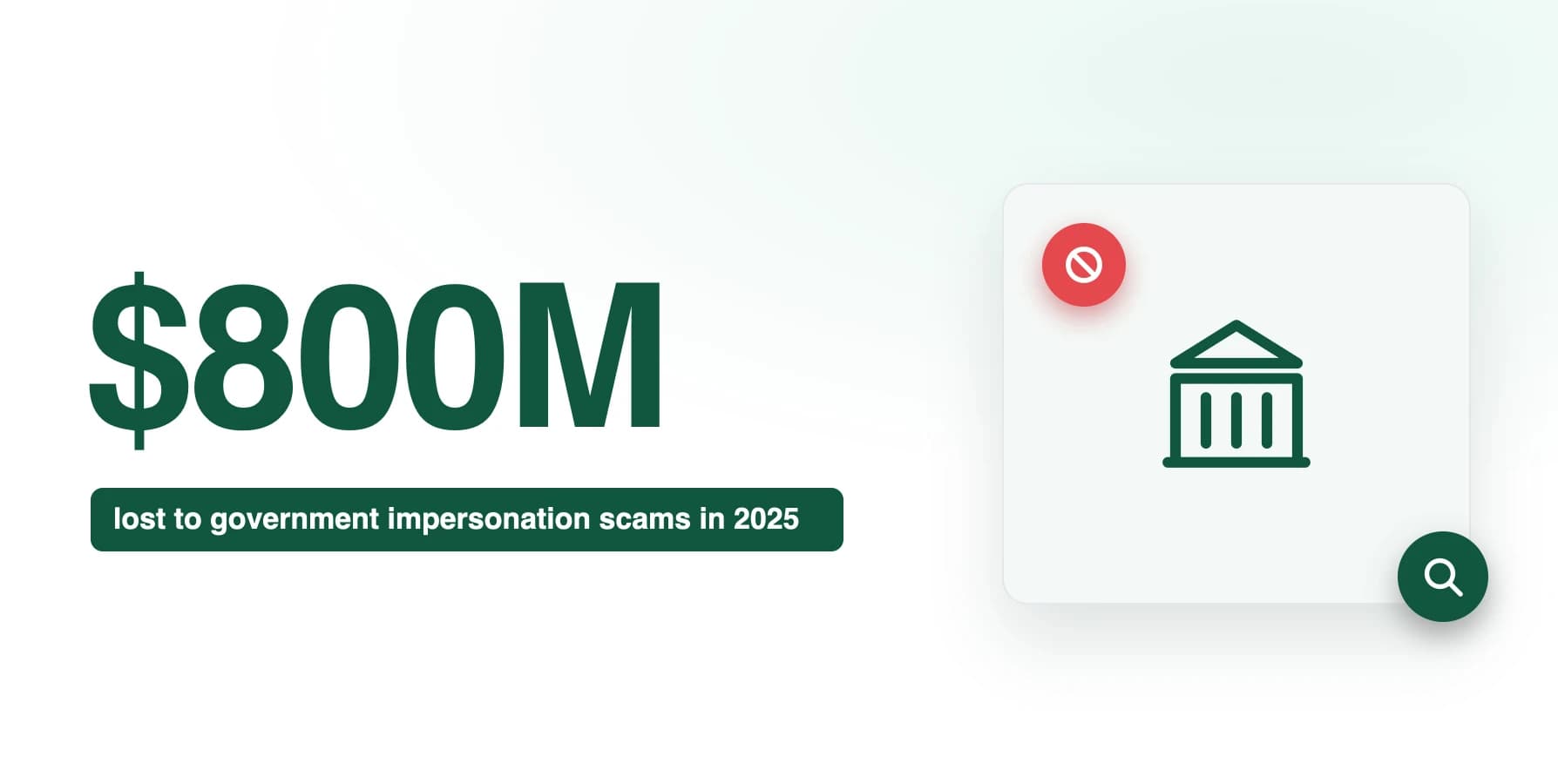
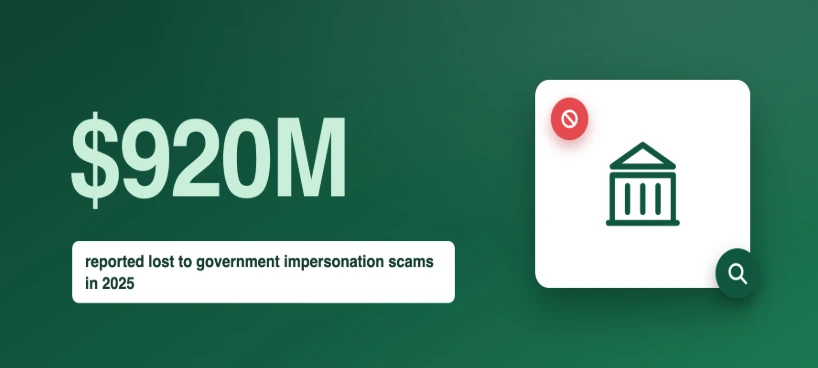
Government impersonation scams are very common. The FBI's Internet Crime Complaint Center logged nearly 32,500 government impersonation complaints in 2025, up from about 17,300 the year before, with losses of about $800 million. The FTC's numbers track the same direction, showing about $920 million lost to government impersonators in 2025, up from $866 million and $789 million the two years before. Among senior victims specifically, the FBI logged more than 8,600 government impersonation complaints in 2025.
The tactic works because it borrows authority. A scammer claiming to be your bank has to convince you they're your bank, but one claiming to be law enforcement starts several steps ahead.
Warrant scams and spam calls often target older adults because they are the most vulnerable. Falling for a convincing performance is not the same thing as losing judgment, and it's worth saying this directly and plainly to your parents, grandparents, or older loved ones.
When talking to them, it’s best to make an agreement where any call mentioning a warrant or an arrest gets a pause and a second opinion before money moves. The scam depends on isolation working. One phone call to someone else is usually enough to break it.
A warrant scam call often arrives with a caller ID that looks official, sometimes a real department's name. None of that confirms who's calling. For a broader field guide to identifying suspicious numbers before you engage, see Unknown Number vs No Caller ID. You should also number through ClarityCheck's reverse phone lookup, so you can more quickly know what you’re dealing with.
Here's how to identify a fake text message in seconds, plus how to potentially find out who is behind the number.
Got a call about back taxes? The IRS never calls first. Here's how the scam works, the fake agency names to know, and what to do next.
How to find someone on Discord with or without their username, what their profile still reveals, and how to check they're who they say before you trust them.